
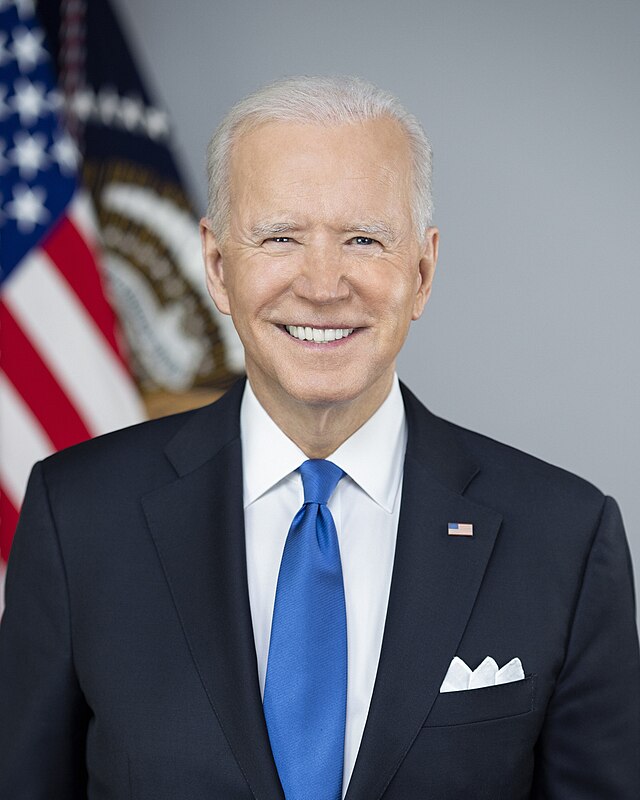
America is a nation built on youth. From our obsession with celebrity culture to the relentless pursuit of the next big thing, we often prioritize the young and the new. But what about the older generation? Ageism in America is more prevalent than we think. Since the 2024 election started heating up, even the most powerful man in the world, our commander-in-chief, has been the victim of ageism, forcing him to pass the torch to Vice President Kamala Harris.
How common is ageism in America?
One glaring example of ageism in American politics is the treatment of President Joe Biden. Despite his many victories, there has been a persistent undercurrent of doubt about his mental acuity, fueled largely by his age. Such scrutiny is rarely directed at younger politicians, suggesting a double standard based solely on age. It’s a disheartening reflection of our society’s tendency to question the capabilities of older individuals.
As our population ages, it’s becoming increasingly clear that our cultural attitudes towards aging are in stark contrast to those of many other societies, particularly in the East.
How are the elderly treated in Asia?
While Eastern cultures traditionally revere their elders, viewing them as repositories of wisdom and experience, Western society often tends to marginalize and overlook the contributions of older adults. This ageism is evident in everything from job discrimination to the portrayal of older people in media. It’s a pervasive issue that has far-reaching consequences for individuals, families, and society as a whole.
In contrast, many Asian cultures place immense value on filial piety, a concept that emphasizes respect for one’s elders. Older adults are often seen as the family’s backbone, offering guidance, support, and stability. This reverence for age is deeply ingrained in these cultures and translates into tangible benefits for older people, such as greater autonomy and involvement in family decision-making.
Fighting back against ageism in America
It’s essential to recognize that aging is a natural part of life, and that older adults have a wealth of experience and knowledge to offer. By challenging ageist stereotypes and fostering a more age-friendly society, we can create a future where everyone, regardless of age, feels valued and respected. It’s time to shift our cultural perspective and embrace the wisdom and contributions of our elders. After all, we will all age, and how we treat older people today sets the stage for how we will be treated tomorrow.
Check out this insightful article titled “A Guide to Combating Ageism at Work” for tips and resources on fighting age discrimination in the workplace.
Additional resources to fight age discrimination
What are your thoughts on aging in America? Have you experienced ageism firsthand? Let’s start a conversation about how we can create a more age-friendly society. And remember, 50 is the new 30.

 The Hot Flash Fashionista
Leave a comment