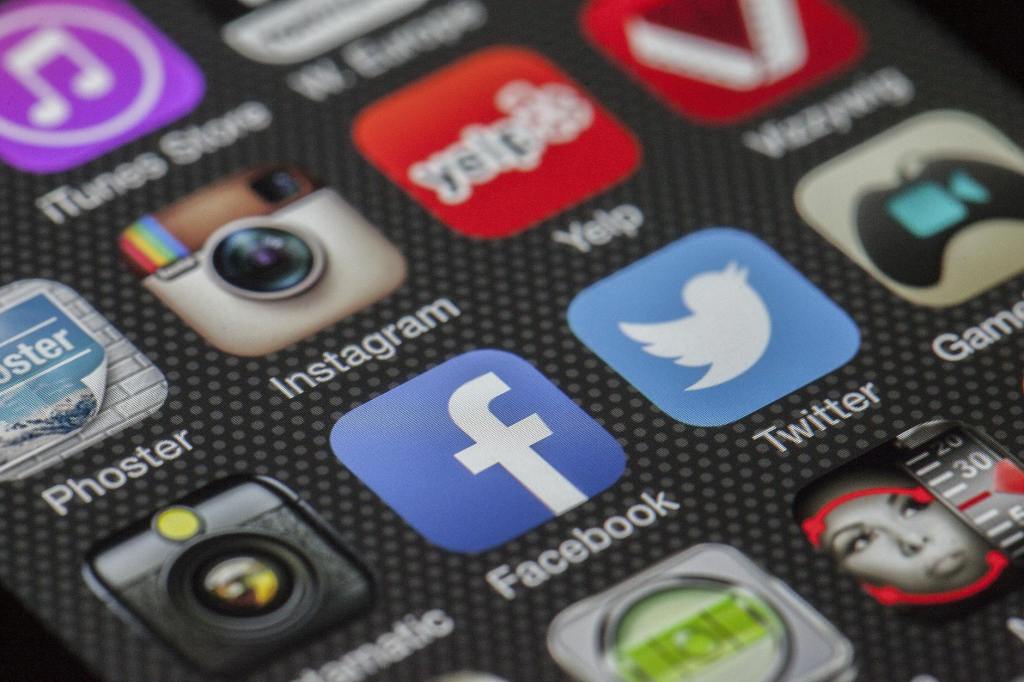
Inspired by the book The Anxious Generation, I’ve been thinking about the pressures young girls and women face today. These pressures come largely from social media comparison.
Social platforms make it easy to compare ourselves to others, and for young girls, this can be overwhelming. Carefully curated Instagram feeds and TikTok videos showcase seemingly “perfect” lives. This constant stream of images creates unrealistic expectations around beauty, success, and happiness.
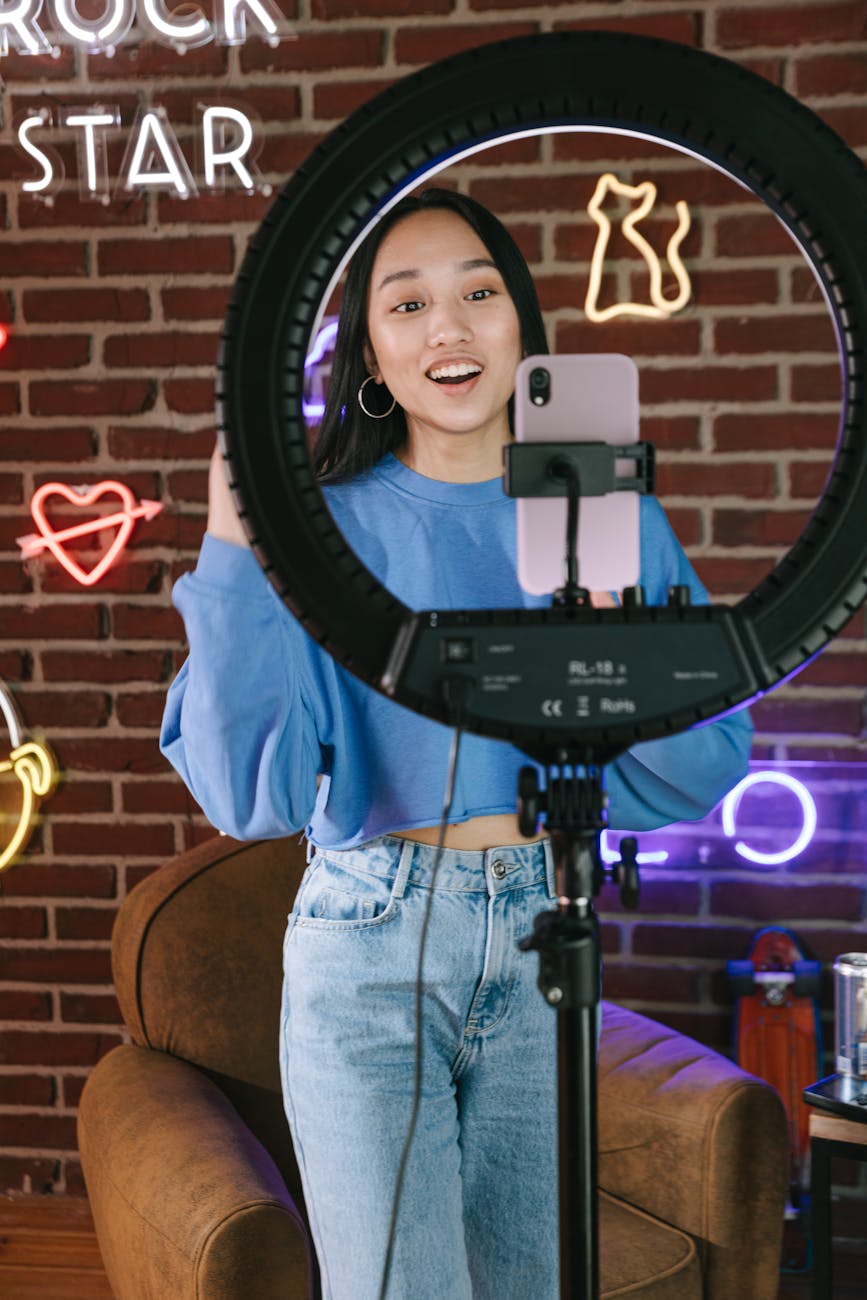
The Endless Cycle of Social Media Comparison
Millennials and Gen X did not experience this level of exposure growing up. We had magazines and television, but our comparisons were limited. When we left school or work, we could take a break. Today, young girls carry this weight with them everywhere.
They are constantly exposed to influencers, celebrities, and peers in ways we never were. Social media comparison creates impossible standards and pressures young girls to project idealized versions of themselves. They feel the need to craft online personas that fit society’s standards of beauty and success.
The Anxious Generation highlights the emotional toll of this comparison culture. It’s not just about keeping up with trends or looking a certain way. Young girls constantly measure their worth against unattainable ideals.
This pressure can lead to anxiety, depression, and feelings of inadequacy. The constant exposure to perfection through social media comparison distorts their view of reality, making them feel like they will never measure up.
Shifting Focus: Building Confidence Over Perfection
Women in their 40s, 50s, and beyond often see things differently. While we may still feel pressure from time to time, many of us have gained confidence and self-acceptance with age. We know that perfection doesn’t exist, and we are more comfortable embracing our flaws.
This doesn’t mean we are immune to social media’s effects. Still, we tend to have a more grounded sense of self compared to younger generations in this hyper-connected world.
Younger generations experience constant comparison at a different level. Millennials and Gen X had fewer avenues for comparison while growing up. We didn’t have smartphones, and our adolescence wasn’t dominated by filters, likes, and followers. This freedom allowed us to develop our identities more privately and personally, away from the scrutiny of a global audience.
Girls in virtual networks are subjected to hundreds of times more social comparison than girls had experienced for all of human evolution. They are exposed to more cruelty and bullying because social media platforms incentivize and facilitate relational aggression.
-Jonathan Haidt, The Anxious Generation: How the Great Rewiring of Childhood Is Causing an Epidemic of Mental Illness
The constant comparison loop on social media is troubling, but it doesn’t define us. Young girls and women need to remember that social media comparison is just a highlight reel, not real life.
By focusing on self-acceptance and reducing the urge to compare, we can break free from the anxiety that social media often fuels. The goal should be building confidence, not chasing a false sense of perfection.
Helpful Resources to Break Free From Social Media Comparison
- American Psychological Association (APA): They offer articles on the effects of social media on mental health and well-being.
- Mental Health America: This organization provides resources and articles on mental health issues, including the impact of social media.
- NPR – The Impact of Social Media on Mental Health: A detailed exploration of how social media affects mental health and self-esteem.
- Daring Greatly by Brené Brown: This book encourages readers to embrace vulnerability and discusses the importance of self-acceptance and connection.
Also, check out my article Be Kind to Yourself.
 The Hot Flash Fashionista
Leave a comment